
The decision to reduce or eliminate alcohol doesn't have to be dramatic. You don't need to declare yourself sober or swear off drinking forever. Simply shifting the balance — choosing non-alcoholic alternatives more often — can have profound effects on your physical and mental health. Let's look at what the science says about the benefits of going no-low, and why millions of people are making this shift.
Better Sleep Quality
Alcohol is one of the most common sleep disruptors. While it may help you fall asleep initially, it significantly reduces REM sleep — the restorative stage crucial for memory, mood regulation, and cognitive function. Studies show that even moderate drinking reduces sleep quality by up to 24%. Within just a week of reducing alcohol, most people report deeper, more restful sleep and easier mornings.
Improved Mental Clarity and Focus
Alcohol is a depressant that affects neurotransmitter function for days after consumption. Reducing intake leads to sharper thinking, better concentration, and improved memory. Many people who go no-low report feeling more productive, creative, and mentally agile within the first two weeks.

Physical Health Benefits
Liver Health
Your liver processes alcohol as a toxin, and regular drinking puts significant strain on this vital organ. Even a month of reduced drinking allows your liver to begin healing and can reduce liver fat by up to 15%.
Weight Management
Alcohol is calorie-dense (7 calories per gram) and often leads to additional calorie consumption through reduced inhibitions. Cutting alcohol can eliminate 500-1000+ calories per week for moderate drinkers, leading to natural weight loss without any other dietary changes.
Skin and Appearance
Alcohol dehydrates the body and triggers inflammation, both of which accelerate aging. Reducing intake often leads to visibly clearer, more hydrated skin within weeks. Many people report looking younger and more vibrant.
Mental Health and Emotional Wellbeing
The relationship between alcohol and mental health is complex. While many people drink to manage anxiety or stress, alcohol actually worsens these conditions over time by disrupting serotonin and GABA pathways. Reducing alcohol often leads to reduced anxiety, more stable moods, and greater emotional resilience.
💡 Expert Tip
Track your sleep, energy, and mood for 30 days as you reduce alcohol. The concrete data will motivate you to continue when the changes become visible in your tracking.
Conclusion
The health benefits of reducing alcohol are real, measurable, and often appear faster than people expect. You don't have to quit entirely — even small reductions can make a significant difference. The growing no-low movement makes it easier than ever to enjoy sophisticated drinks while taking care of your health. Your body and mind will thank you.
Recommended No-Low Drinks
Products featured in this article
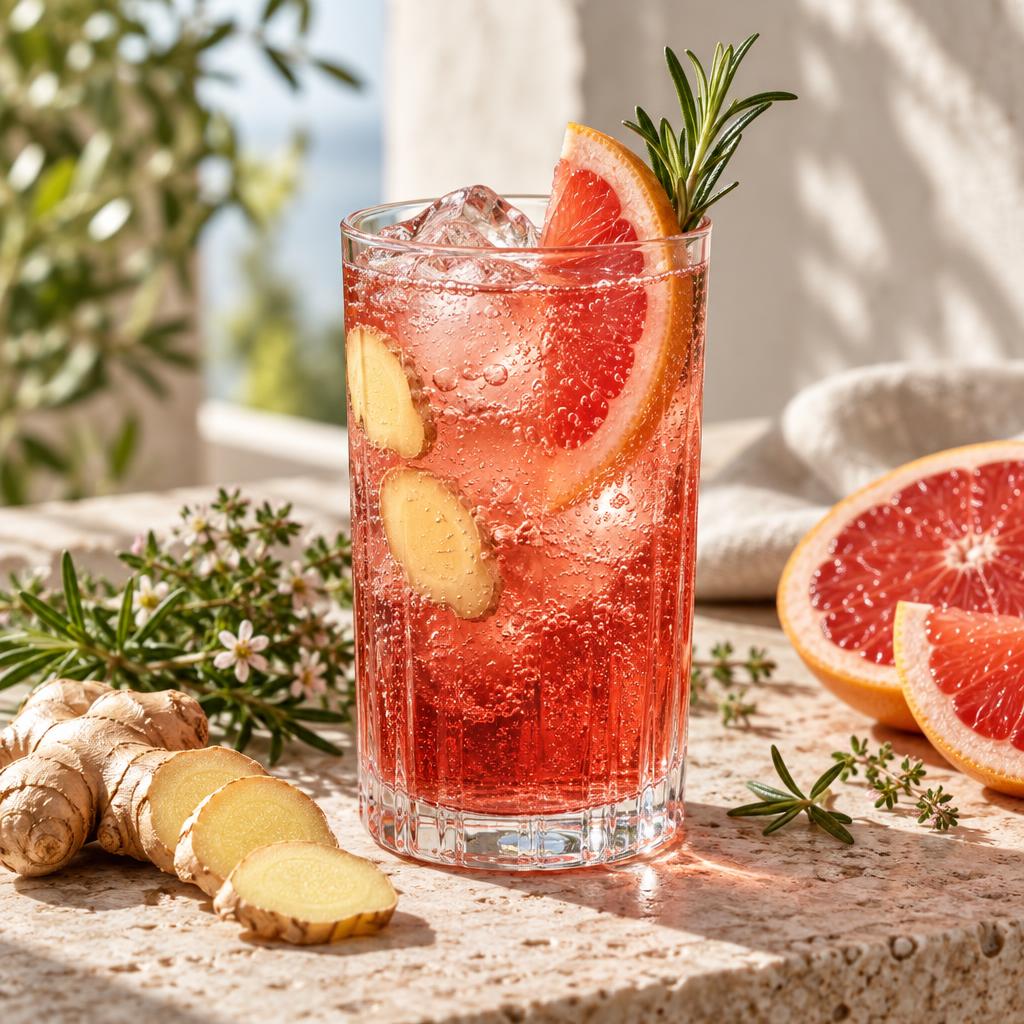
Three Spirit Livener
A plant-powered pick-me-up with guayusa, schisandra, and ginger. Energizing and uplifting functional spirit.
Discover the product
Ghia Le Spritz
A Mediterranean-inspired aperitif made with natural botanicals. Bittersweet with notes of citrus and rosemary.
Discover the product
Athletic Brewing Run Wild IPA
A craft non-alcoholic IPA with bold hoppy flavor and a crisp finish. Perfect for active lifestyles.
Discover the productRelated Articles
Mindful Drinking: A Practical Guide to the No-Low Lifestyle
Mindful drinking isn't about giving things up — it's about making intentional choices. Here's your practical guide to the no-low lifestyle.
Your First Steps into the No-Low World: A Complete Beginner's Guide
New to the world of no-low? Don't worry — everyone starts somewhere. Here's your complete guide to getting started with confidence.
FAQ: Everything You Always Wanted to Know About No-Low Drinks
Got questions about no-low drinks? We've answered the most common ones — from taste and health to legal definitions and social etiquette.