Alcohol-free beer, botanical aperitif, de-alcoholised wine or a ready-to-serve sparkling drink: the same sections appear on every label, but they do not all tell you the same thing. This guide walks through the mandatory information in the EU and the UK, how to read the ingredients list and the nutrition declaration, and what the claims printed on the front of the pack actually mean.
What information must an alcohol-free drink label show?
An alcohol-free drink is a food like any other, so its label follows Regulation (EU) No 1169/2011 on food information to consumers. The UK still applies the same core rules, carried over into domestic law after Brexit. The main mandatory particulars are:
- The name of the food, which states what the product is ('alcohol-free beer', 'botanical soft drink', 'de-alcoholised wine').
- The list of ingredients, with allergens emphasised.
- The quantity of certain ingredients when they are highlighted in the name or by a picture.
- The net quantity, in millilitres, centilitres or litres.
- The date of minimum durability ('best before') and any special storage conditions.
- The name and address of the food business operator responsible for the label.
- The nutrition declaration.
These rules apply in full to drinks of 1.2% ABV or less. Above 1.2% ABV, alcoholic drinks are exempt from the ingredients list and the nutrition declaration, except wines: in the EU, wines produced since 8 December 2023 must provide both.
Where do you find the alcohol content?
Alcohol strength is shown as '% vol'. It is mandatory once a drink exceeds 1.2% ABV; below that, it is optional (except for de-alcoholised wines, which follow wine labelling rules), although many producers display it. In the UK, current guidance reserves 'alcohol-free' for drinks of 0.05% ABV or less, 'de-alcoholised' for 0.5% or less and 'low alcohol' for 1.2% or less; a proposal to raise the alcohol-free threshold to 0.5% has been under review, with no decision announced at the time of writing. Thresholds in other European countries are compared in our article on the differences between alcohol-free and low-alcohol drinks.
For wine, the EU name describes the process: 'de-alcoholised wine' for 0.5% ABV or less, 'partially de-alcoholised wine' above that and below the minimum strength of its category. The latter remain alcoholic drinks above 1.2% ABV. Our low-alcohol drinks page covers this category.
💡 Expert Tip
If you need to avoid any trace of alcohol, do not rely on the words 'alcohol-free' alone: look for the exact % vol figure and, if none is given, ask the producer or a healthcare professional.
How do you read the ingredients list?
Ingredients are listed in descending order of weight at the time of manufacture. That is why water usually comes first on an alcohol-free drink, followed by a juice, a sugar, plant extracts or malt.
- Percentages: an ingredient highlighted in the name or on the pack must show its quantity, for example 'lemon juice (12%)'.
- Additives: they appear under their category name followed by their specific name or E number, such as 'acid: citric acid' or 'preservative: E202'.
- Allergens: the 14 regulated allergens are emphasised in the list (bold, colour or underline). In alcohol-free beer, barley, a cereal containing gluten, is one of them; in de-alcoholised wine, sulphites must be declared above 10 mg per litre (expressed as total SO2).
Flavourings: what do the different terms mean?
Botanical drinks, such as aperitifs and alcohol-free spirits, often use flavourings. Regulation (EC) No 1334/2008 sets out how they are named.
- 'Flavouring': a flavouring that is not described as natural.
- 'Natural flavouring': obtained from several natural sources, none of which is named.
- 'Natural lemon flavouring': at least 95% derived from the named source.
- 'Natural lemon flavouring with other natural flavourings': partly derived from the named source, whose taste remains recognisable.
How do you read the nutrition declaration?
The nutrition declaration gives seven values per 100 ml: energy (in kJ and kcal), fat, saturates, carbohydrate, sugars, protein and salt. A per-serving value may be added, but only the per-100 ml column lets you compare two products.
- The 'sugars' line covers all sugars present: those added and those that come naturally from ingredients such as fruit juice or malt.
- Declared values are average values, based on laboratory analysis or calculated from the recipe.
- For wines in the EU, including de-alcoholised wines, the energy value appears on the label; the ingredients list and full declaration may be provided through a QR code, but allergens must still be printed on the bottle.
Some packs also carry a voluntary front-of-pack nutrition label, such as the colour-coded scheme used in the UK. It summarises part of this information but does not replace the nutrition declaration.
What do 'sugars-free', 'no added sugars' and 'with sweeteners' mean?
'Sugars-free', 'low sugars' and 'no added sugars' are nutrition claims governed by Regulation (EC) No 1924/2006, whose conditions also apply in the UK: they may only appear on a label when the product meets specific conditions. 'With sweetener(s)', by contrast, is a mandatory statement required by Regulation (EU) No 1169/2011.
- 'Sugars-free': no more than 0.5 g of sugars per 100 ml.
- 'Low sugars': no more than 2.5 g of sugars per 100 ml for a drink.
- 'No added sugars': no sugar or other food used for its sweetening properties has been added; if sugars are naturally present, the label must say so.
- 'With sweetener(s)' or 'with sugar(s) and sweetener(s)': mandatory wording next to the name of the food when the drink contains sweeteners.
Another mandatory statement concerns caffeine: above 150 mg per litre, except for tea- or coffee-based drinks named as such, the label must state a high caffeine content and give the amount in mg per 100 ml. It is worth checking on some so-called functional drinks.
Which label-reading mistakes should you avoid?
A few mix-ups come up again and again, even among careful readers.
- Treating 'alcohol-free' and 0.0% as the same thing: thresholds differ between countries, and some go up to 1.2% ABV.
- Comparing a per-serving value with a per-100 ml value.
- Reading front-of-pack words such as 'botanical' or 'craft' as information on composition: the ingredients list is what counts.
- Forgetting where an imported product comes from: 'alcohol-free' does not mean the same threshold everywhere.
If you are new to this world, our guide to your first steps into no-low drinks adds further context.
Conclusion
Reading an alcohol-free drink label comes down to four checks: the alcohol strength, the ingredients list and its allergens, the nutrition declaration per 100 ml, and regulated statements such as 'no added sugars' or 'with sweeteners'. Because these labelling rules are shared across the EU and largely mirrored in the UK (the 'alcohol-free' threshold aside), they let you compare products from one shelf to the next.
For more pointers, browse our beginner guides, then compare the product sheets in our alcohol-free selection.
Frequently asked questions
Does an alcohol-free drink have to show its alcohol content?
Not necessarily. Alcohol strength is only mandatory above 1.2% ABV; below that, it is optional, except for de-alcoholised wines. Many producers still display it, for example '0.5% vol' or '0.0%'.
Why is water listed first among the ingredients?
Because ingredients are listed in descending order of weight at the time of manufacture. In most drinks, water is the largest ingredient, ahead of juices, sugars or plant extracts.
Does alcohol-free beer contain gluten?
Usually, yes, because it is brewed from barley, a cereal containing gluten that must be emphasised in the ingredients list. The 'gluten-free' claim is reserved for products containing no more than 20 mg of gluten per kilogram.
Where can you find the ingredients of a de-alcoholised wine?
On the label or through a QR code linking to an electronic label. For wines produced in the EU since 8 December 2023, however, the energy value and allergens must be printed directly on the bottle.
Are the nutrition values on the label exact?
They are average values, determined by analysing the product or calculated from the recipe and established data. Small differences with a given bottle are therefore possible.
Recommended No-Low Drinks
Products featured in this article
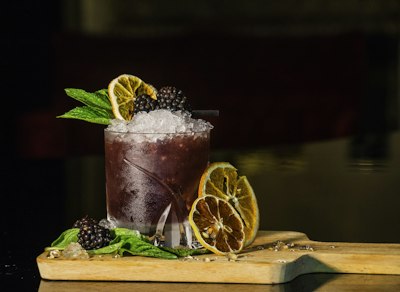
Ghia Le Spritz
A Mediterranean-inspired aperitif made with natural botanicals. Bittersweet with notes of citrus and rosemary.
Discover the product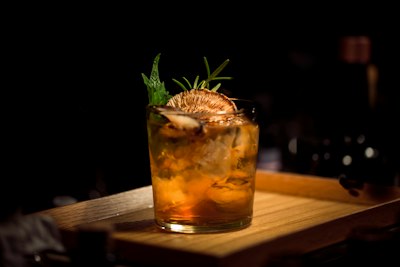
Seedlip Garden 108
A floral blend of hand-picked peas and homegrown hay from the English countryside. The world's first distilled non-alcoholic spirit.
Discover the product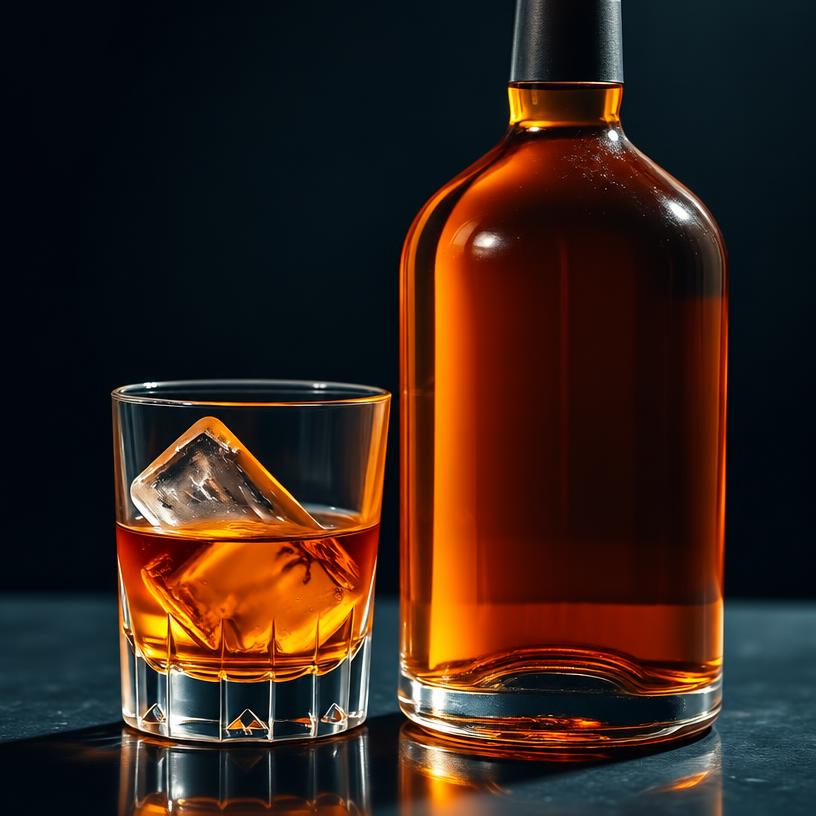
Lyre's American Malt
A rich, full-bodied non-alcoholic spirit inspired by American bourbon. Notes of vanilla, caramel, and toasted oak.
Discover the productRelated Articles
Alcohol-free or low-alcohol drinks: what is the difference?
Alcohol-free, 0.0%, de-alcoholised and low alcohol do not mean the same alcohol content. Here are the thresholds to know and how to read a label.
Your First Steps into the No-Low World: A Complete Beginner's Guide
New to the world of no-low? Don't worry — everyone starts somewhere. Here's your complete guide to getting started with confidence.
FAQ: Everything You Always Wanted to Know About No-Low Drinks
Got questions about no-low drinks? We've answered the most common ones — from taste and health to legal definitions and social etiquette.