The Rise of Alcohol-Free Spirits: A Complete Guide
By Arnaud Slama-Royer ·
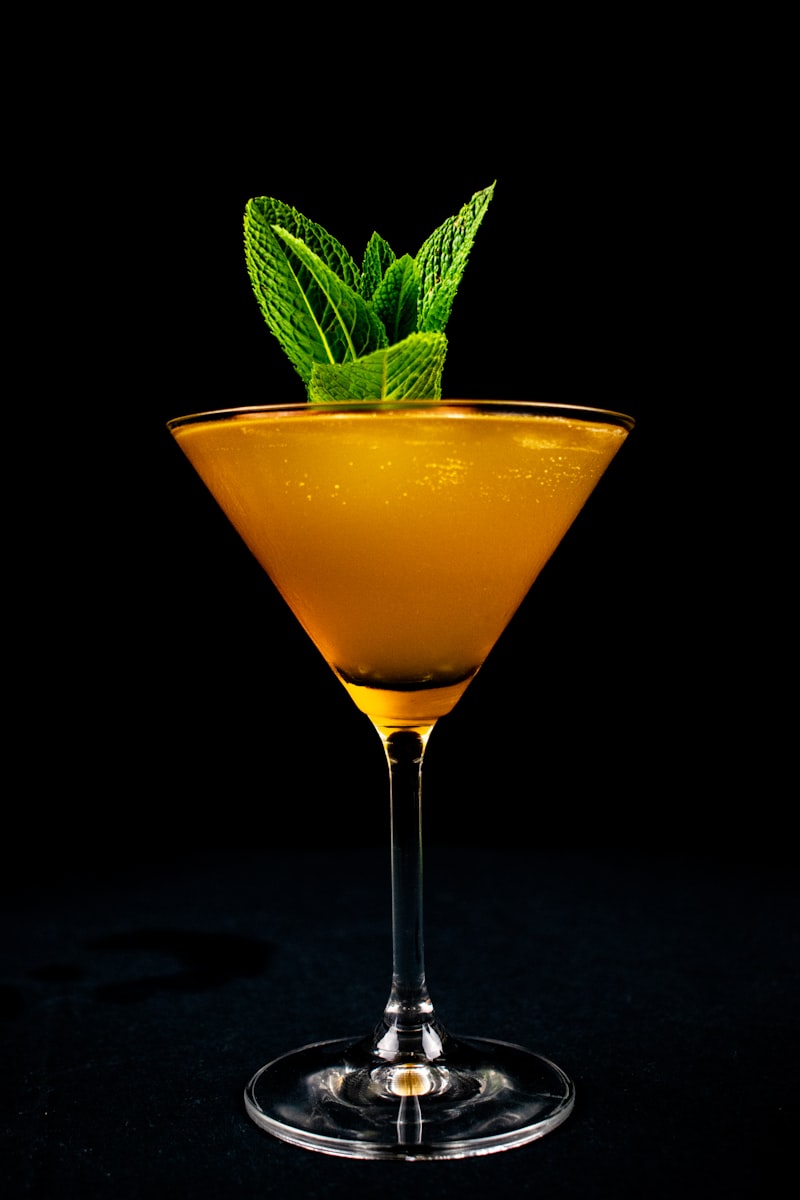
The world of spirits is undergoing a quiet revolution. Where once 'non-alcoholic' meant sugary soft drinks or plain water, today's alcohol-free spirits offer the same complexity, depth, and sophistication as their boozy counterparts. From botanical-rich gin alternatives to smoky whiskey substitutes, the zero-proof category has become one of the most exciting spaces in the drinks industry. Whether you're sober-curious, a designated driver, or simply looking to reduce your intake, this guide will walk you through everything you need to know about alcohol-free spirits.
What Are Alcohol-Free Spirits?
Alcohol-free spirits are beverages designed to replicate the flavor profiles, aromas, and drinking experience of traditional spirits — without the alcohol. They're typically made using distillation, maceration, or blending of botanicals, herbs, spices, and other natural ingredients. Most contain less than 0.5% ABV, which is considered non-alcoholic in most countries. Unlike simple syrups or cordials, these spirits are crafted to be mixed into cocktails or enjoyed with tonic, just like their alcoholic counterparts.
The Pioneers: Brands Leading the Movement
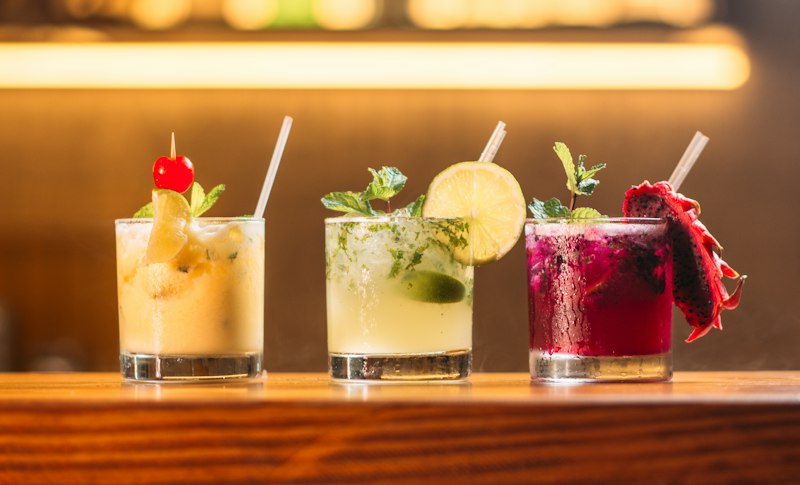
Several brands have been instrumental in legitimizing the alcohol-free spirits category. Seedlip, founded in 2015 by Ben Branson, is widely credited with creating the world's first distilled non-alcoholic spirit. Their Garden 108, Spice 94, and Grove 42 expressions set the standard for what zero-proof spirits could be. Lyre's, an Australian brand, took a different approach by creating non-alcoholic versions of virtually every classic spirit — from their American Malt (bourbon alternative) to their Dry London Spirit (gin alternative). Other notable brands include Monday, Ritual Zero Proof, and Three Spirit, each bringing unique philosophies and flavor profiles to the market.
How Are They Made?
Distillation
Some producers use traditional copper pot distillation to extract flavors from botanicals, then blend the distillates without fermentation. Seedlip, for example, individually distills each botanical before blending them together, creating complex layered flavors.
Maceration and Extraction
Other brands use cold maceration or CO2 extraction to capture delicate flavors that might be lost through heat distillation. This method is particularly effective for floral and fruity notes.
The Best Alcohol-Free Spirits by Category
Gin Alternatives
Gin alternatives are the most popular category, thanks to the already botanical-forward nature of gin. Look for Seedlip Garden 108 for a fresh, herbal profile, Monday Gin for a classic juniper-forward taste, or Lyre's Dry London Spirit for a traditional London dry style.
Whiskey Alternatives
Whiskey alternatives are more challenging to replicate, but brands like Lyre's American Malt and Ritual Zero Proof Whiskey have made impressive strides. These spirits use oak, vanilla, and caramel notes to create the warmth and depth associated with bourbon and rye.
Rum and Tequila Alternatives
The rum and tequila alternative space is newer but growing fast. Ritual Zero Proof Tequila captures agave-like notes, while Lyre's Dark Cane Spirit offers a molasses-rich rum alternative perfect for tropical cocktails.
How to Enjoy Alcohol-Free Spirits
The beauty of alcohol-free spirits is their versatility. Use them as direct 1:1 substitutes in your favorite cocktail recipes. A Seedlip & Tonic makes a refreshing afternoon drink, while a Lyre's Negroni (using their Italian Spritz and Dry London Spirit) is indistinguishable from the original in a blind tasting. You can also get creative — the lack of alcohol means you can layer multiple spirits in a single drink without worrying about potency.
Conclusion
Alcohol-free spirits have come of age. What started as a niche curiosity has become a legitimate, exciting category in the drinks world. Whether you're fully sober, moderating your intake, or just curious, there's never been a better time to explore zero-proof spirits. The flavors are sophisticated, the options are expanding, and the stigma is disappearing. Welcome to the new era of drinking — where less truly is more.