Understanding Low-ABV Wines: A Beginner's Introduction
Par Arnaud Slama-Royer ·
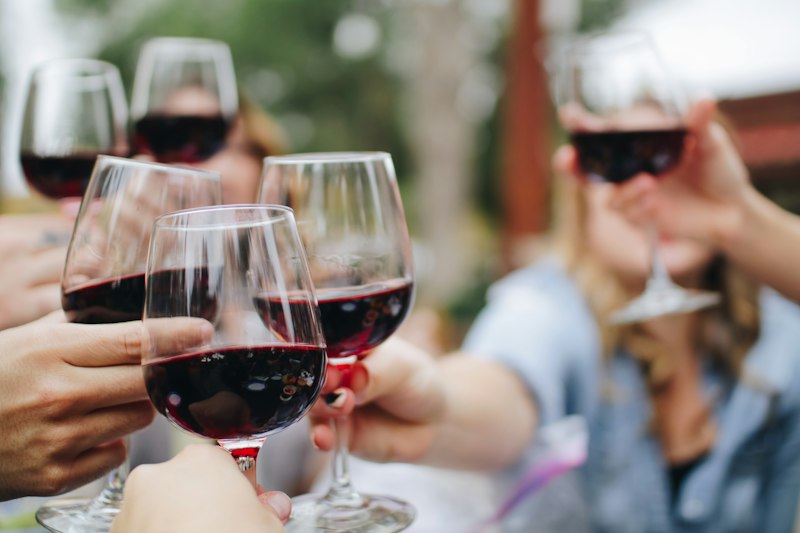
Wine without alcohol might sound like a contradiction, but the category has evolved dramatically. Modern dealcoholization techniques can now remove alcohol while preserving much of the wine's original character — its fruit, acidity, and even some of its structure. Whether you're pregnant, health-conscious, or simply curious, low-ABV and alcohol-free wines deserve a place on your radar. This guide will help you navigate the world of no-low wine with confidence.
How Is Alcohol Removed from Wine?
The most common method is vacuum distillation, which gently heats wine under low pressure to evaporate the alcohol at temperatures that preserve delicate aromatics. Reverse osmosis is another popular technique, filtering wine through a membrane to separate alcohol from the remaining components. Some producers use spinning cone technology, which separates volatile aroma compounds before removing alcohol, then reintroduces the aromas afterward. Each method has trade-offs, but the best producers achieve impressive results.
What to Expect from Non-Alcoholic Wine
Let's set expectations: non-alcoholic wine won't taste exactly like regular wine. Alcohol contributes significantly to body, mouthfeel, and perceived warmth. Without it, wines tend to be lighter and sometimes sweeter (since residual sugars become more prominent). However, the best non-alcoholic wines capture the essential fruit character and acidity of wine, and they can be genuinely enjoyable on their own terms.
Best Non-Alcoholic Wines to Try
Sparkling
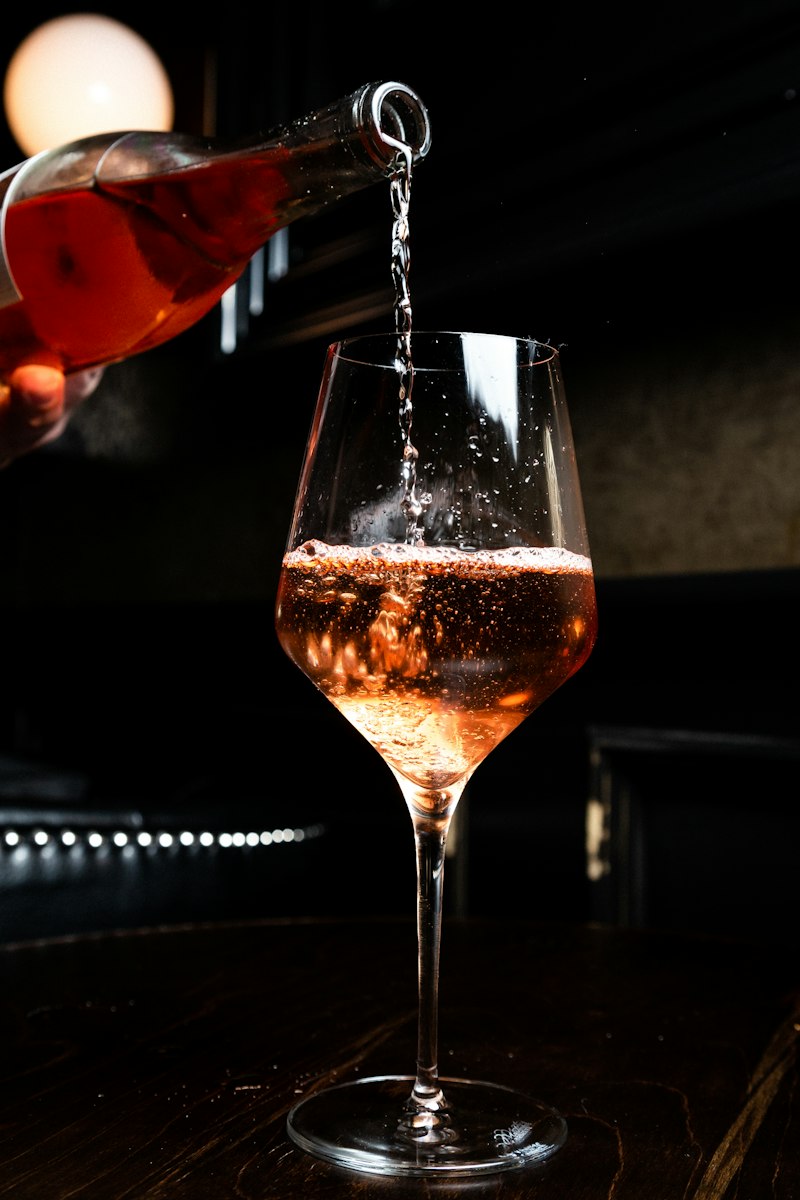
Sparkling wines are arguably the most successful category. The natural effervescence provides structure and mouthfeel that compensates for the missing alcohol. Try Fre Sparkling Brut for a clean, crisp celebration sipper, or Töst Rosé for something more botanical and unique.
White
Aromatic white varieties translate best. Look for dealcoholized Riesling or Sauvignon Blanc, where the natural fruit and acid carry the wine without needing alcohol for structure.
Red
Red wines are the biggest challenge, as tannins and body are closely tied to alcohol. However, Fre Cabernet Sauvignon and some dealcoholized Malbecs offer surprising richness.
Conclusion
Low-ABV and non-alcoholic wines have come a long way. While they're not perfect replicas, the best examples are delicious drinks in their own right. Start with sparkling and aromatic whites for the most satisfying introduction, and keep an open mind — the category is improving at an incredible pace.