The Art of Mocktail Making: Techniques from Top Bartenders
Di Arnaud Slama-Royer ·
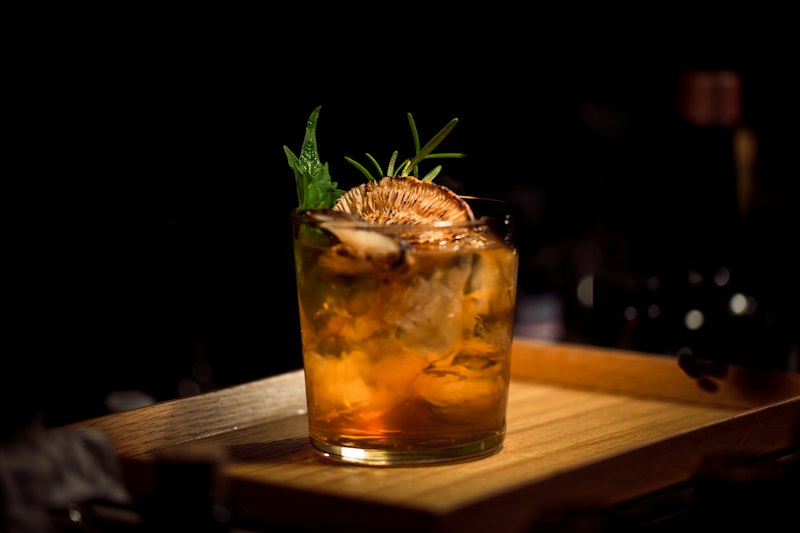
Making a great mocktail isn't just about leaving out the alcohol — it's about understanding balance, texture, and flavor in a new way. Without alcohol's natural burn and body, every other element must work harder. We spoke with top bartenders from London, New York, and Tokyo to uncover the techniques that separate amateur mocktails from professional-quality drinks. Here's what they shared.
Understanding Balance Without Alcohol
In traditional cocktails, alcohol provides a backbone that ties ingredients together. Without it, you need to recreate that structure using other elements. The four pillars of a balanced mocktail are: sweetness (syrups, juices), acidity (citrus, shrubs, vinegars), bitterness (tonic, bitters, tea), and texture (carbonation, cream, egg white, aquafaba). Every great mocktail hits at least three of these four pillars.
The Importance of Texture
Texture is perhaps the most overlooked element in mocktail making. Alcohol naturally adds viscosity and warmth; without it, drinks can feel thin or one-dimensional. Professional bartenders solve this with several techniques: aquafaba (chickpea water) creates silky foam, fat-washing with oils adds richness, and carbonation adds lift and mouthfeel.

Professional Techniques
Shrubs and Drinking Vinegars
Shrubs — fruit and vinegar syrups — are a secret weapon for mocktail makers. They add both sweetness and a tangy acidity that mimics the complexity of alcohol. A simple raspberry shrub (equal parts raspberry, sugar, and apple cider vinegar, left for 48 hours) can transform a basic soda into something extraordinary.
Infusions and Syrups
Custom syrups elevate any drink. Try rosemary simple syrup (steep fresh rosemary in hot simple syrup for 30 minutes), or butterfly pea flower syrup for color-changing cocktails. Tea infusions — especially smoky lapsang souchong or floral jasmine — add incredible depth.
The Power of Garnish
Top bartenders spend as much time on garnishing as on mixing. Dehydrated citrus wheels, edible flowers, aromatic herb sprigs, and smoked rosemary all engage the senses before the first sip. Remember: we drink with our eyes first.
Common Mistakes to Avoid
- Making drinks too sweet — always balance sweetness with acid or bitterness
- Using low-quality mixers — premium tonic and fresh juice make a huge difference
- Neglecting ice — proper dilution is essential for balance
- Skipping the garnish — aroma is half the drinking experience
- Not tasting as you go — always adjust before serving
Conclusion
Great mocktails require the same skill, creativity, and attention to detail as any cocktail. By mastering balance, texture, and presentation, you can create alcohol-free drinks that genuinely delight. Start with the fundamentals, experiment with shrubs and syrups, and never forget that the best drinks are made with intention.